
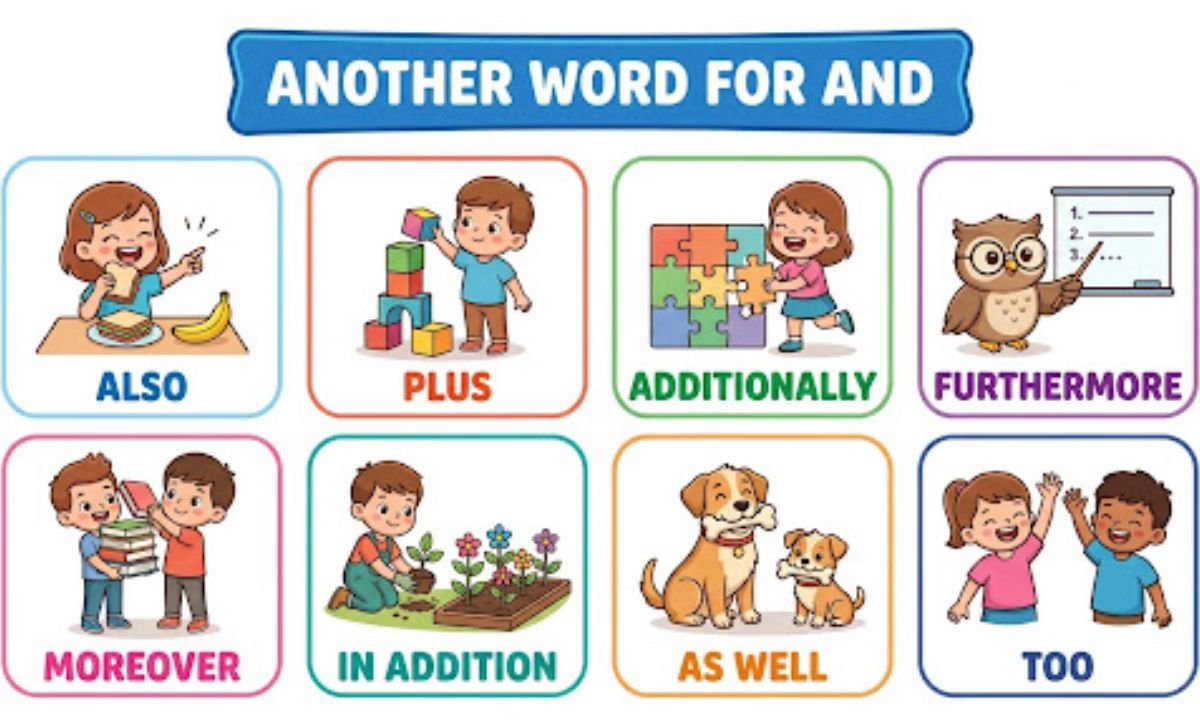
You use “and” hundreds of times a week. It works, but it also flattens your writing when it shows up in every sentence. The right swap adds rhythm, tone, and meaning without adding length. Some alternatives sound formal, some sound casual, and a few change the logic of your sentence. This guide sorts 30 of them by job and shows you how each one behaves in real writing. Pick the one that fits your reader, and your sentences will start doing more work.
Quick Answer: The Best Swaps at a Glance
Need a fast fix? Start here.
- Casual and everyday: also, plus, too, on top of that
- Formal and academic: moreover, furthermore, in addition, additionally
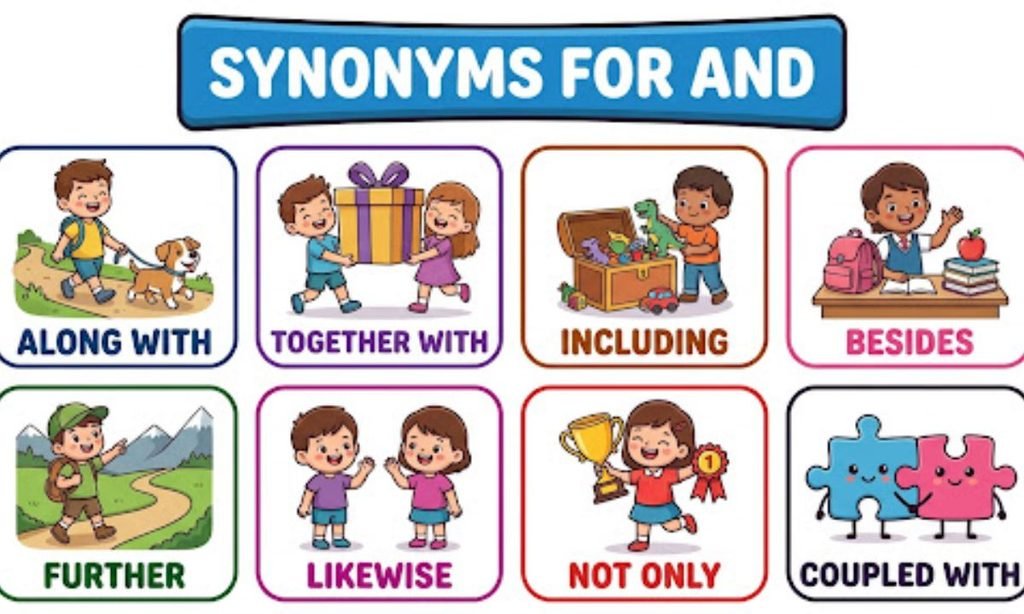
- Joining nouns: as well as, along with, together with, coupled with
- Showing sequence: then, next, after that, afterward, subsequently
- Showing result: as a result, consequently, thus, therefore
What Does “And” Actually Do?
“And” is a coordinating conjunction. It links words, phrases, clauses, or sentences of equal weight. It signals addition (apples and oranges), sequence (she called and left a message), or continuation (the rain went on and on). Most alternatives do only one of those jobs, which is why they are not always drop-in replacements. A swap can change your grammar, your punctuation, or the meaning of the sentence.
When Plain “And” Is Still the Best Choice
Do not replace “and” in fixed pairs like salt and pepper, rock and roll, or black and white. Keep it in short lists, where it keeps the rhythm clean. Keep it when you want a plain, steady voice. Overswapping makes writing feel stiff. If a sentence reads smoothly with “and,” leave it alone.
How to Choose the Right Alternative
Ask three questions. What job is “and” doing: adding, sequencing, or showing result? How formal is the setting? Does the swap need new punctuation? Conjunctive adverbs like moreover and furthermore need a semicolon before them and a comma after, or they start a new sentence. Prepositional phrases like “along with” take nouns, not full clauses. Match the job, the tone, and the grammar, and the choice is easy.
Also
Core Definition & Nuance: “Also” adds a point without the weight of a formal transition, and it can sit mid-sentence where “and” cannot. It fits when you remember one more detail while explaining a plan to a coworker.
Emotional Value & Benefit: It feels relaxed and unforced. Readers hear a person thinking, not a document performing. That makes your message easier to trust.
Usage Examples:
- The new app is faster, and it also uses less battery.
- She also asked whether we could move the deadline.
Plus
Core Definition & Nuance: “Plus” adds a bonus or a benefit, with more energy than a neutral addition. It fits when you list perks of a job offer to a friend.
Emotional Value & Benefit: It frames the extra item as a win. Readers lean in. Use it when you want the add-on to feel like good news.
Usage Examples:
- The apartment has great light, plus it is five minutes from the station.
- The course is free, plus you get a certificate at the end.
As Well As
Core Definition & Nuance: “As well as” joins two items while putting a little more weight on the first. It fits when you describe your role in a meeting and your main duty comes first.
Emotional Value & Benefit: It sounds thorough without sounding stiff. The reader senses a clear order of importance. Note that it does not make a subject plural.
Usage Examples:
- Maya manages the budget as well as the hiring plan.
- The package includes the charger as well as a travel case.
Along With
Core Definition & Nuance: “Along with” attaches a companion item to the main subject, and the verb still agrees with the main subject. It fits when you mention what came with a delivery.
Emotional Value & Benefit: It feels like an accompaniment, not a pile-up. The reader keeps the main idea in focus. That control helps in dense sentences.
Usage Examples:
- The manager, along with two engineers, is joining the call.
- Please send the invoice along with the signed contract.
Together With
Core Definition & Nuance: “Together with” stresses partnership or shared action, which “and” does not. It fits when you credit a team in a project update.
Emotional Value & Benefit: It signals unity and shared credit. Readers feel included. It builds goodwill with very few words.
Usage Examples:
- Together with our design partners, we rebuilt the checkout flow.
- The director, together with her staff, welcomed the visitors.
In Addition
Core Definition & Nuance: “In addition” opens a new, related point at the start of a sentence and sounds a notch more formal than “also.” It fits when you add a second reason in a work email.
Emotional Value & Benefit: It tells the reader a clean new point is coming. That clarity lowers effort. It also gives your argument a visible structure.
Usage Examples:
- In addition, the vendor offered a longer warranty.
- The report covers sales trends. In addition, it flags three risks.
Additionally
Core Definition & Nuance: “Additionally” is a single-word version of “in addition” that moves a list of points forward quickly. It fits when you write the next step in a project summary.
Emotional Value & Benefit: It keeps the pace brisk. Readers feel guided, not lectured. Do not stack it more than once or twice per page.
Usage Examples:
- Additionally, we recommend a second review before launch.
- The tool saves time. Additionally, it reduces errors.
Moreover
Core Definition & Nuance: “Moreover” adds a point that strengthens the one before it, so it is more than a simple addition. It fits when you build a case in an essay or a proposal.
Emotional Value & Benefit: It lends your argument weight and authority. Readers sense a deliberate case, not a loose list. Use it sparingly or it will sound pompous.
Usage Examples:
- The plan is affordable; moreover, it can start next month.
- The study was small. Moreover, it had no control group.
Furthermore
Core Definition & Nuance: “Furthermore” pushes an argument forward with another supporting point and is common in academic writing. It fits when you stack evidence in a report.
Emotional Value & Benefit: It reads as measured and serious. Readers trust a writer who builds step by step. Pair it with a semicolon or start a new sentence.
Usage Examples:
- The data is incomplete; furthermore, the sample is biased.
- Furthermore, the committee asked for a revised timeline.
Besides
Core Definition & Nuance: “Besides” adds a point that often feels like a final, practical reason. It fits when you talk a friend into a decision over lunch.
Emotional Value & Benefit: It sounds candid and a little persuasive. Readers feel you are being straight with them. It works best in informal, spoken-style writing.
Usage Examples:
- I would skip the drive. Besides, parking there is awful.
- It is too late to change plans, and besides, the tickets are paid for.
What’s More
Core Definition & Nuance: “What’s more” adds a point that tops the last one, with a conversational feel. It fits when you share good news in a team message.
Emotional Value & Benefit: It builds momentum. Readers expect something better to come. That small lift keeps attention.
Usage Examples:
- The update is live, and what’s more, it fixed the login bug.
- She finished early. What’s more, she came in under budget.
Not to Mention
Core Definition & Nuance: “Not to mention” adds an item while acting as if it is almost too obvious to say, which gives it a light, emphatic tone. It fits when you list reasons a trip is worth taking.
Emotional Value & Benefit: It lets you slip in a strong point gently. Readers feel invited, not pushed. It adds personality to otherwise flat lists.
Usage Examples:
- The hotel is gorgeous, not to mention affordable.
- The role offers growth, not to mention a great team.
On Top of That
Core Definition & Nuance: “On top of that” stacks an extra item onto an already full pile, often a burden or a bonus. It fits when you describe a busy week to a manager.
Emotional Value & Benefit: It conveys scale. Readers feel the weight or the value of what you describe. That makes your story easier to picture.
Usage Examples:
- We lost two clients this month. On top of that, our lead designer resigned.
- The tour was free, and on top of that, lunch was included.
Too
Core Definition & Nuance: “Too” adds a matching point at the end of a clause and sits as a light afterthought. It fits when you reply to a coworker’s suggestion.
Emotional Value & Benefit: It sounds warm and agreeable. Readers feel you are on the same side. It keeps short replies friendly.
Usage Examples:
- I would like to join the review, too.
- The team liked the demo, and the client did too.
Likewise
Core Definition & Nuance: “Likewise” adds a point that follows the same pattern as the last one. It fits when you show two teams facing the same problem.
Emotional Value & Benefit: It signals a clear parallel. Readers see the pattern at once. That sharpens comparisons without extra explanation.
Usage Examples:
- Sales rose in the spring. Likewise, support requests grew.
- The first draft needed work; likewise, the second.
Similarly
Core Definition & Nuance: “Similarly” connects two ideas by comparison, not just addition. It fits when you explain how two policies work in the same way.
Emotional Value & Benefit: It tells readers to compare. That gives them a mental shortcut. Your point lands faster and feels organized.
Usage Examples:
- Remote work cut commute time. Similarly, flexible hours reduced stress.
- The first plan failed on cost; similarly, the second failed on timing.
Equally Important
Core Definition & Nuance: “Equally important” adds a point and states that it matters just as much as the last. It fits when you list priorities in a project brief.
Emotional Value & Benefit: It gives each item fair weight. Readers feel nothing is being brushed aside. That builds trust in your priorities.
Usage Examples:
- Equally important is the training plan for new hires.
- Speed matters. Equally important, the system must be secure.
Then
Core Definition & Nuance: “Then” marks the next step in time, which “and” only implies. It fits when you write a recipe or a set of directions.
Emotional Value & Benefit: It makes order obvious. Readers feel safe following your steps. Confusion drops right away.
Usage Examples:
- Open the file, then save a copy before editing.
- She reviewed the notes, then sent her feedback.
Next
Core Definition & Nuance: “Next” points to the following step in a clear, ordered list. It fits when you teach a process to a new hire.
Emotional Value & Benefit: It sets a calm pace. Readers feel led, one step at a time. That makes complex tasks feel manageable.
Usage Examples:
- Next, connect the device to the network.
- First, gather the receipts. Next, enter them in the system.
After That
Core Definition & Nuance: “After that” ties a new action to the one just described and sounds natural in speech. It fits when you retell what happened at an event.
Emotional Value & Benefit: It keeps stories flowing. Readers follow the timeline without effort. It sounds human, not scripted.
Usage Examples:
- We toured the plant. After that, we met the team.
- He answered the emails, and after that, he left for the airport.
Afterward
Core Definition & Nuance: “Afterward” places an action later in time without naming the earlier one again. It fits when you describe a meeting and what followed.
Emotional Value & Benefit: It creates a clean break between events. Readers sense a natural pause. That helps long narratives breathe.
Usage Examples:
- The session ran long. Afterward, we grabbed coffee.
- She signed the papers and called her lawyer afterward.
Also Read: Actions Synonym: Better Words and When to Use Them
Subsequently
Core Definition & Nuance: “Subsequently” marks a later event in a formal, factual way. It fits when you document a timeline in a report.
Emotional Value & Benefit: It sounds precise and neutral. Readers read it as record-keeping, not storytelling. That suits legal and business writing.
Usage Examples:
- The bug was reported on Monday and subsequently fixed on Tuesday.
- The firm was founded in 2015 and subsequently expanded to Europe.
Followed By
Core Definition & Nuance: “Followed by” joins items in a set order, usually inside one sentence. It fits when you outline an agenda or a schedule.
Emotional Value & Benefit: It makes order part of the sentence. Readers can scan and plan. It removes the need for extra explanation.
Usage Examples:
- The day starts with a keynote, followed by two workshops.
- Expect a short intro, followed by a live demo.
Coupled With
Core Definition & Nuance: “Coupled with” joins two factors that work together to produce an effect. It fits when you explain why results changed.
Emotional Value & Benefit: It links cause and company. Readers see how two things interact. That adds depth with no extra length.
Usage Examples:
- Rising costs, coupled with weak demand, hurt margins.
- Her experience, coupled with a clear plan, won the client over.
Not Only … But Also
Core Definition & Nuance: This correlative pair adds two items and puts a spotlight on the second. It fits when you pitch a product with two strong benefits.
Emotional Value & Benefit: It builds a small moment of anticipation. Readers feel the second point is the bigger one. Keep both halves parallel in form.
Usage Examples:
- The tool is not only fast but also easy to learn.
- She not only fixed the issue but also wrote the documentation.
Above All
Core Definition & Nuance: “Above all” adds a final point and marks it as the most important of the set. It fits when you close a list of advice with your top priority.
Emotional Value & Benefit: It tells readers what to remember. That gives your message a clear center. It leaves a strong final impression.
Usage Examples:
- Be on time, be prepared, and above all, be honest.
- Above all, the design must stay simple.
As a Result
Core Definition & Nuance: “As a result” shows that one thing caused another, which “and” never states outright. It fits when you explain the effect of a decision.
Emotional Value & Benefit: It makes cause and effect plain. Readers feel the logic is solid. That strengthens your credibility.
Usage Examples:
- We cut the menu in half. As a result, orders came out faster.
- The server failed, and as a result, the site went down.
Consequently
Core Definition & Nuance: “Consequently” signals a result in a formal, measured way. It fits when you describe the outcome of a policy change in a report.
Emotional Value & Benefit: It sounds calm and analytical. Readers see a conclusion drawn, not a guess. It supports a professional tone.
Usage Examples:
- Funding was cut; consequently, the program closed.
- Consequently, the team moved the launch to May.
Thus
Core Definition & Nuance: “Thus” shows a result or conclusion in a short, formal form. It fits when you wrap up a line of reasoning in an academic paper.
Emotional Value & Benefit: It feels compact and confident. Readers get the conclusion with no extra words. Overuse can sound dated, so keep it rare.
Usage Examples:
- The results were consistent; thus, the method is reliable.
- Costs fell sharply, thus allowing a price cut.
Therefore
Core Definition & Nuance: “Therefore” states a logical conclusion drawn from what came before. It fits when you end an argument in a proposal.
Emotional Value & Benefit: It gives readers a sense of closure. The logic feels earned. That helps them accept your recommendation.
Usage Examples:
- The risk is low; therefore, we recommend approval.
- We have the budget. Therefore, we can begin.
Frequently Asked Questions
What is another word for “and”?
Common alternatives include also, plus, as well as, in addition, moreover, and furthermore, depending on tone and meaning.
What are transition words for “and”?
Transition words such as additionally, besides, likewise, and furthermore connect ideas while adding information or showing sequence.
When should I use “as well as” instead of “and”?
Use “as well as” when you want to give slightly more weight to the first item, and remember it does not make the subject plural.
Is “plus” a synonym for “and”?
Yes, “plus” works as an informal synonym that adds an item while framing it as a bonus.
What words can replace “and” in a sentence?
Replace it with words that match the job, such as also for addition, then for sequence, or therefore for result.
Conclusion
The small words you choose carry more weight than they seem to, because each one tells your reader how ideas relate, how formal you are, and how much to trust the logic. Swapping “and” for the right alternative adds structure, shows order or cause, and gives your voice a clear tone, all without extra length. Choose by job first, then by tone, then by grammar, and keep plain “and” where simplicity serves you best. Do that consistently, and your writing will feel clearer, calmer, and more convincing.